

By Kelvin Jay
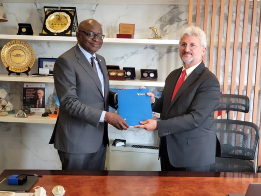
On the 13th September, 2021, the Government of SierraLeone signed a contract with Negmar, a Turkish Maritime Transportation and logistics Company at the company headquarters in Istanbul. The contract is for the provision of ferry services between Lungi and Freetown. The contract mandates the company to provide four ferries, two for passengers only, and two for vehicles and passengers. Since the signing of the agreement, two ferries have already arrived and have not started any operations. According to investigation, one of the ferries remained idle in the country waters while the other one is undergoing maintenance. The Ministry of Transport is yet to tell the public anything about the ferry.
Nearly five years after the agreement was signed with much fanfare and promises of transforming sea transportation between Freetown and Lungi, questions are mounting over whether the ferry project is gradually turning into another costly white elephant.
The project was presented as a major intervention aimed at easing transportation challenges faced by thousands of Sierra Leoneans and international travelers commuting between the capital and Lungi. Expectations were high that the ferries would reduce travel time, improve safety, and stimulate economic activities along the route.
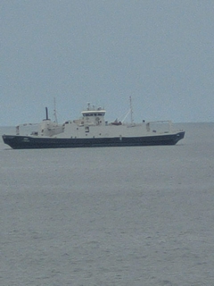
However, despite the arrival of two ferries, the anticipated services remain absent. One vessel has reportedly remained idle in Sierra Leone’s waters for an extended period, while the second vessel is said to be undergoing maintenance before commencing operations. The continued delay has left many citizens questioning what has gone wrong and whether adequate planning was undertaken before the ferries were brought into the country.
The silence from the Ministry of Transport has only fueled public speculation. To date, there has been limited official communication explaining the reasons behind the delays, the current operational status of the vessels, or when the public should expect the services to begin.
Observers argue that every day the ferries remain inactive represents a missed opportunity for revenue generation and improved transportation services. Others are raising concerns about the cost of maintaining vessels that are not in operation, especially at a time when the country faces significant economic challenges.
The situation has also reignited concerns about accountability in the implementation of major government projects. Citizens are demanding transparency regarding the terms of the contract, the financial commitments involved, the operational readiness of the ferries, and the timeline for the delivery of the remaining vessels.
With public resources and expectations invested in the project, many are now asking whether the ferry initiative will eventually deliver on its promises or become another example of an ambitious project that failed to translate into tangible benefits for the people.
Until the Ministry of Transport provides clear answers and a definitive operational roadmap, the question will continue to linger in the minds of many Sierra Leoneans: Is the Turkish ferry project a genuine transportation solution delayed by unforeseen challenges, or is it steadily drifting toward becoming a white elephant project?