

Street Beggars in Freetown Appeal for Government Support Amid Rising Hardship

By S.B Amara
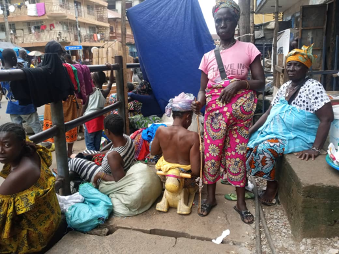
The Chairlady of street beggars at Kissy Road, Sallay Kamara, has appealed to the Government of Sierra Leone, humanitarian organisations and charitable groups to provide shelter, food and sustainable livelihood opportunities for homeless people living on the streets of Freetown.
Speaking to this newspaper, Kamara said she has survived through street begging since 2002, describing the difficult conditions faced by many beggars, including persons who are blind and others living with physical disabilities.
She said many street beggars struggle daily to secure food, shelter and education for their children, adding that the absence of affordable housing forces many to spend their nights sleeping on pieces of cardboard in front of closed shops and business premises.
Kamara further alleged that street beggars are frequently driven away during police night patrols and, in some instances, subjected to physical abuse. She said that despite these challenges, many return to the same locations because they have nowhere else to seek refuge.
According to her, several homeless people have died while sleeping outdoors, particularly during the rainy season, when prolonged exposure to cold and harsh weather conditions significantly increases the risk of illness and death.
She urged the Government, humanitarian agencies, faith-based organisations and other well-wishers to intervene by providing temporary shelters, access to food, healthcare and skills training that would enable vulnerable people to earn a sustainable income and rebuild their lives.
“If we are given shelter, food and support to earn a living, we will not have to return to the streets to beg,” Kamara said.
Her appeal comes amid growing public concern over the increasing number of street beggars across Freetown, prompting renewed calls for comprehensive social protection programmes to address homelessness, disability-related challenges, unemployment and urban poverty.
Stakeholders have argued that a coordinated approach involving government institutions, civil society organisations and development partners is essential to provide long-term solutions that protect vulnerable citizens while promoting social inclusion and dignity.