

Government Moves To Reshape Western Area Governance as Three New Rural Councils Emerge

By Staff Writer
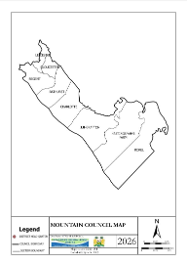
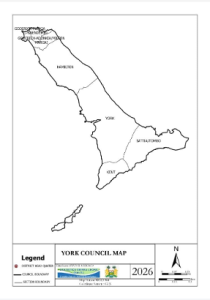
The Government of Sierra Leone has unveiled maps for three newly established rural councils in the Western Area, signalling a significant step towards reshaping local governance, administrative boundaries and community representation in the region.
The new councils—Waterloo Rural Council, Mountain Rural Council and York Rural Council—were presented during the ongoing Civic Day engagement in Waterloo, where residents had the opportunity to examine the maps, familiarise themselves with the proposed administrative arrangements and engage directly with government officials.
The unveiling forms part of the government’s broader public engagement efforts to inform citizens about the new council structures and clarify the geographical areas expected to fall under their respective jurisdictions.
The establishment of the three rural councils is expected to have important implications for local administration, particularly in the coordination of development activities, the delivery of public services and the representation of communities in local decision-making processes.
For residents across the affected areas, the delineation of council boundaries is a critical aspect of understanding how local governance will be organised and how communities will relate to their respective local authorities.
The public presentation of the maps also provides an opportunity for residents to seek clarification on boundary demarcations and understand the administrative arrangements associated with the new councils.
The Civic Day engagement in Waterloo underscores the importance of public participation in governance, particularly when changes to administrative structures may affect how communities access local services and engage with public institutions.
As the process progresses, clear communication about the geographical jurisdictions, responsibilities and operational arrangements of the new councils will be essential to ensuring a smooth transition and minimising potential confusion among residents.
The development marks a notable moment in the evolution of local governance in the Western Area, with further public engagement expected to play an important role in helping citizens understand the changes and their potential implications.
However, details regarding the councils’ operational commencement dates, the precise communities covered by each jurisdiction and the administrative arrangements for their functioning were not provided in the information available at the time of publication.