
Bloodline Breaker: When Cycles Refuse to End, Someone Must Interrupt Them

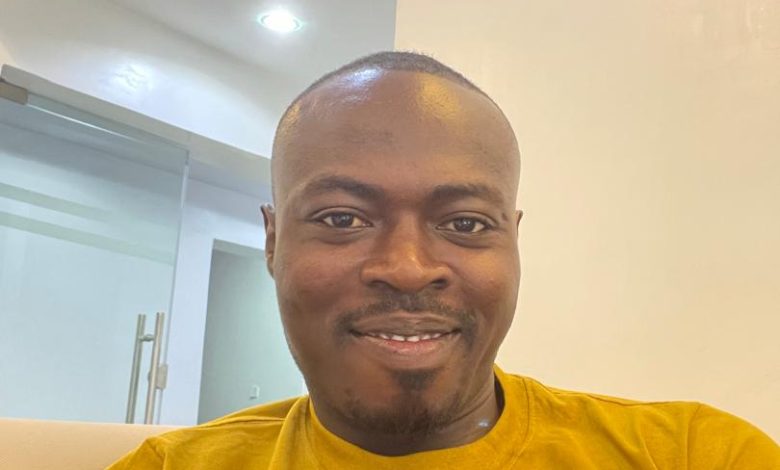
By Moses Kay Fembeh
Bloodline Breaker emerges from a central question that resonates across societies and generations: What happens when inherited patterns refuse to die?
At its core, the novel explores generational cycles—patterns of silence, struggle, limitation, and survival that move quietly from one generation to the next. It suggests that what many people call destiny is often nothing more than repetition left unchallenged.
Within this narrative, poverty is presented not merely as a circumstance but as a cycle sustained by repeated decisions, inherited behaviors, and deeply rooted beliefs. Likewise, silence within families is often mistaken for peace, even when it conceals unresolved emotional wounds and unspoken histories.
To be a “bloodline breaker” in Bloodline Breaker is not to reject one’s family or heritage. Rather, it is to confront inherited patterns with awareness, courage, and intention. Such decisions are rarely dramatic. More often, they are quiet, disciplined, and misunderstood by environments that have become comfortable with repetition.
Those who attempt to interrupt these cycles frequently encounter resistance—not always through hostility, but through doubt, skepticism, and disbelief. Systems, traditions, and long-established habits tend to defend themselves through familiarity.
The novel further suggests that transformation does not begin with institutions or systems alone; it begins with individuals who choose a different response. Within this framework, education, discipline, emotional intelligence, and ethical living become powerful tools for breaking destructive cycles.
Breaking a bloodline, therefore, is not an act of escape but one of responsibility. It is the recognition of inherited limitations without surrendering to them.
In practical terms, this may be reflected in a young person becoming the first in their family to attain higher education, or in an individual refusing to continue cycles of silence, fear, violence, or self-destruction.
The narrative also acknowledges the cost of such transformation. Those who break cycles often endure seasons of isolation, misunderstanding, and immense internal pressure from environments that prefer familiarity over change.
Yet the novel consistently reinforces a powerful truth: progress in society has always depended on individuals willing to challenge inherited systems when those systems no longer serve growth.
From a broader interpretive perspective, Bloodline Breaker becomes a philosophical inquiry into identity, agency, and responsibility. It asks difficult but necessary questions: Which patterns are inherited? Which patterns are chosen? And which patterns must be consciously ended?
Ultimately, the novel positions cycle-breaking not as rebellion against people, but as a commitment to the future.
Because every generation inherits two things: what it is given, and what it refuses to change.
And in that refusal—or determination to change—legacy is truly formed.
About the Author
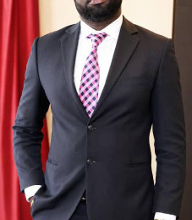
Moses Kay Fembeh is a writer and storyteller whose work explores generational cycles, leadership, identity, and social transformation. Through a deeply reflective narrative style rooted in African lived experiences, he examines the forces that shape individuals, families, and societies across generations.