

By Staff writer
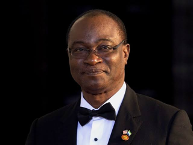
The exclusion of the 2023 All People’s Congress (APC) presidential candidate, Dr. Samura Matthew Wilson Kamara, from the National Unity and Social Cohesion Peace Conference held in October 2026 has raised serious questions about the inclusiveness, credibility and effectiveness of the peacebuilding process.
At a time when Sierra Leone is seeking to strengthen national unity, rebuild political trust and ease tensions between the ruling Sierra Leone People’s Party (SLPP) Government and the opposition APC, the absence of such a prominent political figure from a national peace dialogue is difficult to understand.
Dr. Samura Kamara remains a central figure in the political disagreements surrounding the 2023 general elections. Since the announcement of the election results, he has consistently called for electoral justice, transparency and accountability, making him an important stakeholder in any meaningful conversation aimed at addressing the country’s lingering political tensions.
The fundamental question, therefore, is: How can a peace conference genuinely address political grievances and promote national reconciliation while leaving out one of the major political actors associated with those grievances?
Peacebuilding is not simply about bringing political leaders together for speeches, photographs and declarations of unity. It requires genuine engagement with all relevant stakeholders, particularly those whose concerns, grievances and political positions are central to the disagreements that need to be resolved.
While the organisers may have their reasons for not extending an invitation to Dr. Samura Kamara, his absence inevitably raises questions about whether the conference adequately reflected the political realities and concerns of all sides.
The Peace Commission and other organisers should recognise that sustainable peace cannot be achieved through selective engagement. It must be built on inclusiveness, mutual respect, dialogue and a willingness to listen to opposing views, even when those views are uncomfortable.
If the ultimate objective of the conference was to create a common ground between the Government and the opposition, then engaging Dr. Samura Kamara should have been considered a priority. His participation would have provided an opportunity for direct dialogue, clarification of outstanding concerns and potentially a pathway towards reducing the persistent political tensions surrounding the 2023 electoral process.
Indeed, electoral justice and national reconciliation should not be treated as competing objectives. Rather, they should complement each other. A credible peace process must create room for discussions about electoral grievances, institutional accountability and the reforms necessary to restore public confidence in the democratic process.
The question is not whether Samura Kamara should be above other political stakeholders, but whether a peace initiative can be considered truly inclusive when a major opposition figure with unresolved political grievances is left out.
Sierra Leone cannot afford a peace process that brings together only those who are comfortable with one another. Real peace demands courage, sincerity and the willingness to bring conflicting parties to the same table.
If the country is serious about lasting peace, then the door must remain open for Dr. Samura Kamara and other stakeholders whose participation could help address the unresolved political issues dividing the nation.
Ultimately, peace cannot be imposed, negotiated selectively or achieved through silence. It must be built through inclusive dialogue, justice, trust and genuine political commitment.
You cannot build lasting peace by leaving out some of the very people whose grievances need to be addressed.