

Bishop Archibald Cole Raises Constitutional Concerns Over Proposed Religious Policy in Sierra Leone

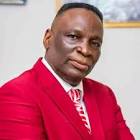
Bishop J. Archibald Cole, General Overseer of the New Life Ministries International, has issued a strongly worded position paper criticizing the proposed national policy on religious tolerance and practice currently under discussion in Sierra Leone, warning that key provisions could undermine constitutional freedoms and threaten the independence of religious institutions.
Speaking from what he described as the “Body of Christ perspective,” Bishop Cole said while the Church welcomes genuine efforts to promote peace, interfaith harmony, and public order, several aspects of the policy present serious constitutional risks. He argued that, in its current form, the document could gradually erode freedom of religion, freedom of association, freedom of expression, and the autonomy of churches and other faith-based institutions.
At the center of his concerns is the proposal for government certification of religious leaders, including pastors, priests, reverends, imams, and other clerics. According to Bishop Cole, such a system would give the State undue influence over who is permitted to preach, lead congregations, establish ministries, or conduct religious activities.
He stressed that the Church derives its authority from God, Scripture, and its own ecclesiastical structures — not from government institutions. He warned that what may begin as a simple certification process could evolve into political control over religious leadership, potentially allowing future administrations to interfere in church affairs or suppress dissenting voices.
The bishop also criticized the proposal for annual renewal of religious leadership certification, describing it as a dangerous mechanism that could be used to intimidate clergy who speak out against corruption, injustice, immorality, or abuse of power. He noted that such measures could create fear among religious leaders and weaken the Church’s prophetic role in national discourse.
While acknowledging that a registry of religious institutions may be necessary for administrative matters such as legal recognition, property ownership, or tax compliance, he opposed any system that would require individual religious leaders to obtain state approval as a condition for ministry.
Bishop Cole further raised concerns over provisions relating to prior approval for public crusades, conventions, and religious gatherings. He said that while authorities may regulate public safety, traffic, and environmental concerns, any approval system must not become a means to restrict evangelism, open-air preaching, or public worship based on religious content.
On hate speech provisions, he cautioned that the policy must clearly distinguish between unlawful incitement to violence and constitutionally protected religious teaching, including biblical preaching and moral instruction. He maintained that any sanctions should be tied strictly to proven unlawful conduct and handled through the courts with due process and judicial oversight.
Despite his objections, Bishop Cole acknowledged that the proposed policy contains positive elements, including efforts to encourage interfaith dialogue, civic education, and peaceful coexistence among Christians, Muslims, and traditional religious communities. He also welcomed reasonable regulation of outdoor events where applied fairly to all groups.
As an alternative to state-led enforcement, he proposed that recognized religious umbrella bodies such as the Council of Churches in Sierra Leone and the Pentecostal Fellowship of Sierra Leone should play a self-regulatory role in addressing concerns related to false ministries, cults, or misconduct within their communities, with government agencies only involved when necessary through established legal channels.
In his concluding remarks, Bishop Cole called for a two-day national interfaith consultative conference in Freetown to bring together Christian, Muslim, and other religious leaders to openly discuss the implications of the policy. He said such a forum would allow stakeholders to examine how government regulation may affect the distinct doctrines, values, and practices of different faith communities.
He maintained that while the Church supports religious tolerance, public order, and mutual respect, it firmly opposes any policy that would allow the State to “license the pulpit, certify the pastor, regulate doctrine, or control the Church,” insisting that constitutional freedom must remain a protected right, not a renewable permit.