
IMF Unlocks $79.8 Million Boost for Sierra Leone’s Economic Recovery

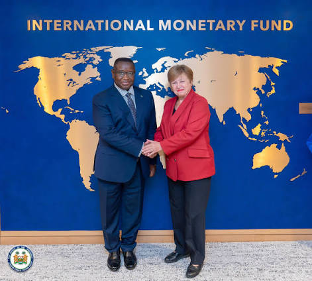
The International Monetary Fund (IMF) has approved the first and second reviews of Sierra Leone’s Extended Credit Facility (ECF), paving the way for an immediate disbursement of US$79.8 million (SDR 58.3 million). The latest tranche raises total disbursements under the programme to US$127.8 million (SDR 93.3 million) since its approval in October 2024.
The reviews, concluded on December 16, 2025, signal renewed confidence in the country’s reform agenda after fiscal slippages in 2024 stalled the initial assessment. Budget overruns—partly financed through central bank purchases of government securities—combined with reserve depletion and delays in structural reforms, had cast doubt on programme performance. Authorities have since implemented corrective measures to restore macroeconomic stability and credibility.
Recent economic data point to gradual stabilisation. Growth is projected at 4.4% in 2025, supported largely by expansion in the mining and agricultural sectors. Inflation declined markedly to 4.4% in October 2025, reflecting tighter macroeconomic management and a relatively stable Leone. Borrowing costs have moderated amid improving investor sentiment. However, external vulnerabilities persist, with gross international reserves falling to 1.5 months of import cover by September, while public debt remains at high risk of distress.
In a statement, IMF Acting Chair and Deputy Managing Director, Bo Li, commended the government’s renewed reform drive but cautioned against complacency. He noted that while the programme is back on track and macroeconomic indicators are responding positively, debt vulnerabilities and low reserve buffers remain significant concerns.
The IMF underscored the importance of sustained fiscal discipline. Enhanced domestic revenue mobilisation, strengthened tax administration, and stricter expenditure controls are expected to prevent further budgetary slippages. At the same time, safeguarding social spending remains essential to cushion vulnerable populations from the impact of adjustment measures.
On debt management, the Fund urged authorities to prioritise concessional financing, lengthen debt maturities, diversify the investor base, and ensure that government securities are issued on sustainable terms. With inflation moderating, the IMF indicated that monetary policy could gradually transition toward a neutral stance, while emphasising the urgent need to rebuild foreign exchange reserves.
Structural governance reforms also featured prominently in the assessment. The IMF welcomed the publication of Sierra Leone’s Governance and Corruption Diagnostic Report and encouraged decisive implementation to reinforce institutional integrity and curb corruption risks.
While the latest approval provides critical financial breathing space, maintaining reform momentum will be decisive. The scale of fiscal consolidation required poses political and social challenges, and any slowdown in implementation could reverse recent gains. Nevertheless, with macroeconomic stability gradually returning and international backing reaffirmed, Sierra Leone stands at a pivotal juncture—where disciplined execution of reforms will determine whether current progress translates into durable and inclusive growth.