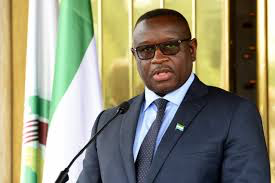

Appointment of Edmond Sylvester Alpha as ECSL Boss… SLPP Lays Early Groundwork for 2028 Re-Election

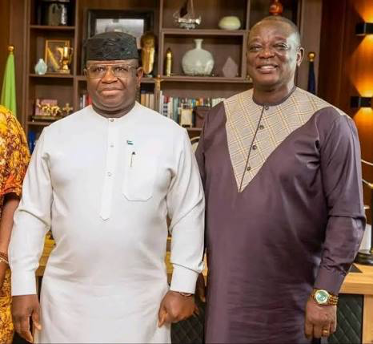
The recent appointment of Edmond Sylvester Alpha as Chief Electoral Commissioner by President Julius Maada Bio has ignited sharp political debate, with opposition voices describing the move as a strategic step toward influencing the outcome of the 2028 general elections.
Alpha’s appointment, reportedly made pursuant to Section 32(3) of the 1991 Constitution of Sierra Leone, has drawn immediate criticism from the opposition All People’s Congress (APC), which has long questioned his perceived neutrality.
Critics within the APC have labelled the appointment as a “first rigging plan for 2028,” arguing that Alpha’s alleged closeness to the ruling Sierra Leone People’s Party (SLPP) undermines public confidence in the independence of the Electoral Commission for Sierra Leone (ECSL).
According to opposition stakeholders, Alpha has previously been accused of sympathizing with the SLPP, particularly during the controversial 2023 general elections. Some APC officials claim he played a pivotal role in processes that ultimately favored the ruling party, an allegation that has remained a subject of political contention since the last polls.
The APC has warned that any perceived attempt to compromise the credibility of the electoral process ahead of 2028 would be strongly resisted, referencing disputes and tensions that followed the 2023 elections.
Supporters of the President, however, maintain that the appointment falls squarely within the constitutional powers vested in the Head of State. Section 32(3) of the Constitution grants the President authority to appoint the Chief Electoral Commissioner, subject to parliamentary approval.
Government-aligned commentators argue that allegations of bias remain unproven and politically motivated, insisting that Alpha’s experience in electoral administration positions him as a qualified candidate for the role. CCC
The development underscores the fragile trust between the ruling party and the opposition regarding electoral governance. With 2028 still years away, the early controversy surrounding the ECSL leadership signals what could become an increasingly polarized political environment.
Political analysts caution that safeguarding the independence, transparency, and credibility of the Electoral Commission will be critical in rebuilding public trust and ensuring that future elections are accepted by all stakeholders.
As debate intensifies, many Sierra Leoneans are calling for greater transparency, institutional reforms, and bipartisan engagement to prevent a repeat of the post-election tensions witnessed in 2023.
Further reactions from both government and opposition leaders are expected in the coming days.